

Darjeeling Sightseeing: 7 Best Places to Visit
Darjeeling packs an unusual amount into a small hill town: a UNESCO railway, a working tea estate, a zoo with red pandas, and on a clear morning one of the great mountain views on earth. Here are the seven places worth your time, how long each one takes, and what it costs.
Jump to a place
- Tiger Hill — sunrise over Kanchenjunga
- Darjeeling Himalayan Railway — the Toy Train
- Padmaja Naidu Zoological Park — red pandas and snow leopards
- Peace Pagoda — the quiet viewpoint
- Happy Valley Tea Estate — a working tea garden
- Darjeeling Ropeway — the valley from above
- Rock Garden & Ganga Maya Park — waterfalls, an hour out
- Opening times and entry fees — all seven in one table
1. Tiger Hill
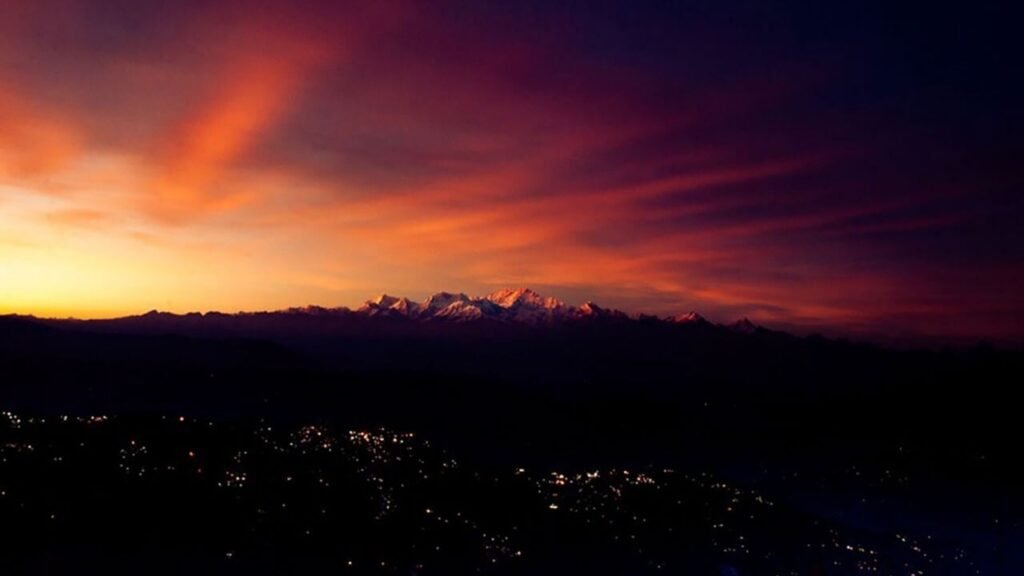
Tiger Hill is the most famous viewpoint in the region, and for one reason: on a clear morning the first light hits Kanchenjunga — the world’s third-highest peak — and turns the snow gold before the sun reaches the town below. It is genuinely one of the great sights in the Himalayas.
It is also the hardest-won. Taxis leave Darjeeling around 3:30am, or a little later in winter, and in peak season you will share the viewing platform with a very large number of people. Parking fills early and you may walk the last kilometre.
One thing most guides don’t mention: vehicles need a permit to go up. Permits are issued to registered taxi drivers, not to visitors, and self-driven or rented cars are not allowed. In practice this means booking through a local taxi or your hotel rather than driving yourself — if you have hired a car, check before you plan the morning around it.
Distance 11 km, about 40 minutes by taxi · Time needed 3–4 hours including travel · Leave by 3:30am, 4:15am in winter · Best months mid-October to December
The same mountain, without the 3:30am taxi
If the sunrise is what you came for but the pre-dawn start is not, the deck at Everest Cafe looks straight at the same range, a kilometre from the Mall. On a clear morning the light between six and eight is the best of the day, and there is coffee.
2. Darjeeling Himalayan Railway
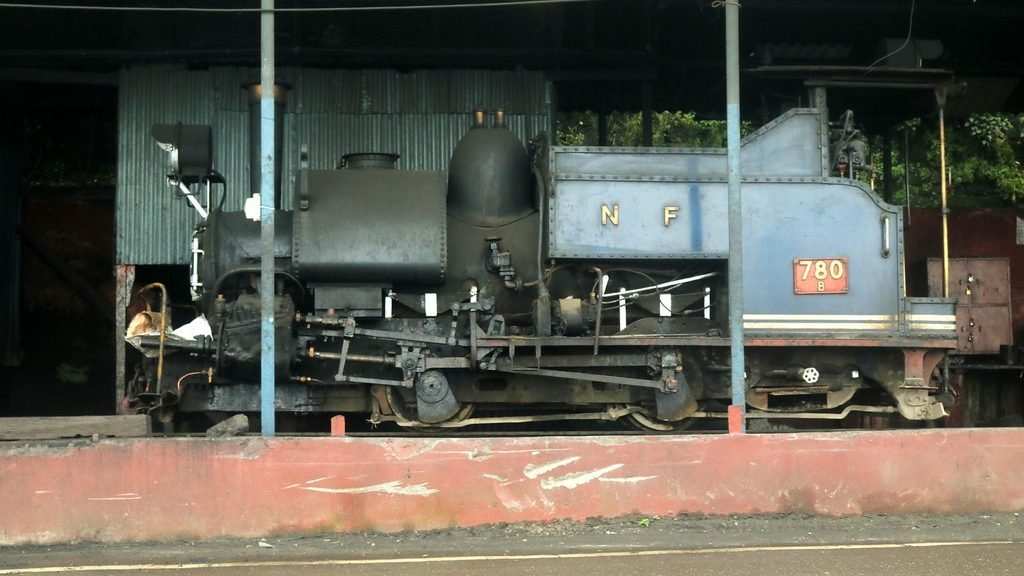
The “Toy Train” is a narrow-gauge railway that has been running since 1881 and is a UNESCO World Heritage Site. The locomotives climb through the hills at walking pace, through tunnels and around loops built to manage a gradient no ordinary railway could. It is slow in the way that is the whole point.
Most visitors take the joy ride between Darjeeling and Ghum rather than the full line — about 15 km there and back, roughly two hours, with a pause at Batasia Loop and Ghum station. You can choose a steam or a diesel engine when booking; steam costs more and is the reason most people come.
Book ahead through IRCTC or at the station counter. Departure times shift with demand and season, and it sells out in October and November.
Departs Darjeeling station · Time needed about 2 hours · Distance 15 km round trip · Booking essential in season
3. Padmaja Naidu Himalayan Zoological Park
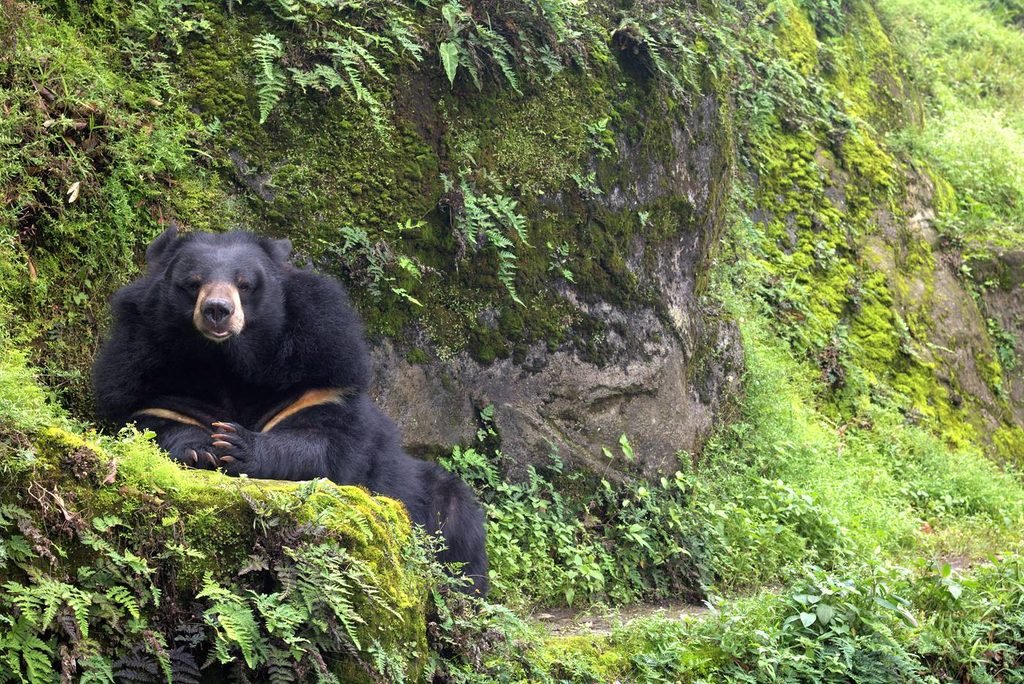
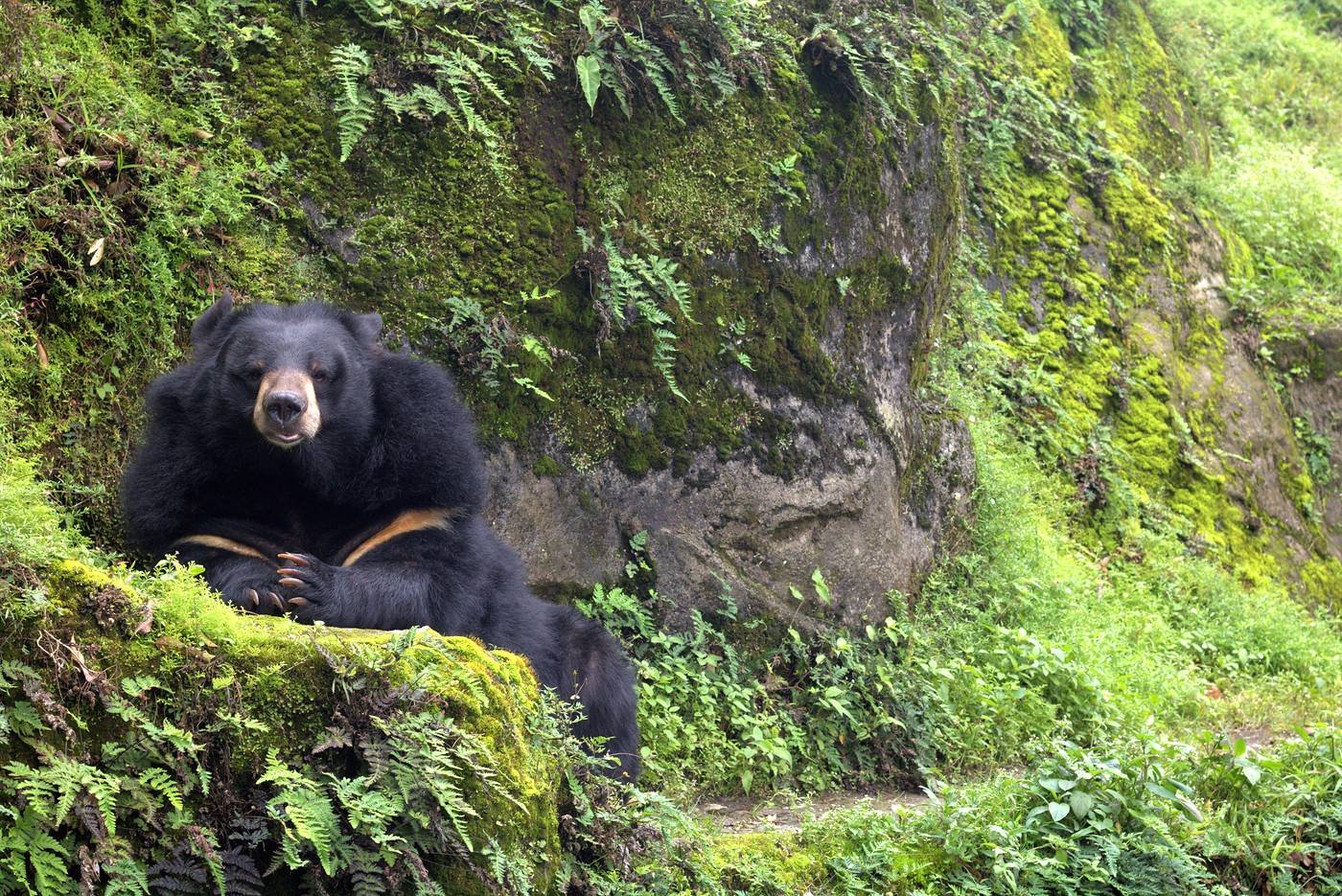
A high-altitude conservation park rather than a conventional zoo, and one of the few places you will reliably see a red panda. Snow leopards and Himalayan black bears are here too, in enclosures built into the hillside forest.
The Himalayan Mountaineering Institute shares the same grounds and the same ticket, with a museum covering the region’s climbing history, and the Bengal Natural History Museum is also inside the park. Three things on one entry — budget more time than you expect.
Closed on Thursdays. It catches people out every week.
Distance about 2 km from Chowrasta · Time needed 2–3 hours · Closed Thursdays · Best early, before the tour groups
4. Peace Pagoda and Japanese Temple
A Japanese Buddhist shrine on Jalapahar Hill, white against the trees, with a wide view over the town. It is the quietest of the seven — most tour itineraries skip it, which is exactly why it is worth the climb.
Time it for the drumming. The temple holds prayers with hand drums twice a day, early in the morning and again in the late afternoon, and visitors are welcome to sit in — or to pick up a drum and join, which most people do not realise is allowed. It is the single most memorable half hour on this list, and it is free.
Distance about 10 minutes by car from the Mall · Time needed 1 hour, or 90 minutes for a drum ceremony · Entry free · Best late afternoon
5. Happy Valley Tea Estate
The closest working tea garden to town, and the easiest place to see how Darjeeling tea is actually made. A guided walk takes you through the slopes and the factory — withering, rolling, oxidation, drying — and ends with a cup.
Roughly 95% of what Happy Valley produces is exported. The remaining 5% can only be bought at the garden itself, which makes it one of the few genuinely worthwhile souvenirs in Darjeeling.
Closed Sundays and Mondays — and there is no point going when the factory is idle, so go on a working day during plucking season if you want to see anything being made.
Distance about 3 km north of town · Time needed 1–2 hours · Closed Sunday and Monday · Best plucking season, March to November
6. Darjeeling Ropeway
Also called the Rangeet Valley Passenger Cable Car, and one of the oldest cable car systems in India — operating since 1968. It runs roughly 8 km from North Point down towards Singla Bazaar near the Rangeet River, hanging above tea slopes and forest the whole way.
Allow longer than the ride itself. Queues build from mid-morning in season and the round trip with waiting can take two hours or more. Go early. It also closes on the 19th of every month for maintenance, which is an easy day to lose if you have not checked.
Boards at North Point · Time needed 2–2.5 hours with the queue · Closed the 19th of each month · Best first thing in the morning
7. Rock Garden and Ganga Maya Park
About 10 km below the town, down a road of tight hairpins, Rock Garden is built around a terraced waterfall with stone steps climbing beside it. Ganga Maya Park is another 3 km on, with boating and a quieter stretch of the same stream.
It is the least “sight” of the seven and the most pleasant afternoon. Worth knowing: the drive down is quick and the drive back up is not. Leave time, and go after the monsoon when the falls are actually full.
Distance 10 km, plus 3 km more to Ganga Maya · Time needed half a day with travel · Best September to November, when the falls are full
Opening times and entry fees
All seven in one place, so you can screenshot it and stop opening tabs.
| Place | Open | Entry |
|---|---|---|
| Tiger Hill | Pre-dawn to sunset, daily | Open platform free. Seat in the observatory ₹20–40 by floor, telescope ₹50, vehicle permit ₹200 |
| Toy Train, Ghum joy ride | Several departures daily, times vary by season | Diesel from about ₹1,000, steam from about ₹1,500 |
| Zoo and HMI | 8:30am–4pm, closed Thursdays | ₹60 covering both, camera ₹10 |
| Peace Pagoda | 4:30am–7pm daily. Drums 4:30–6am and 4:30–6:30pm | Free |
| Happy Valley | 8am–4:30pm, closed Sunday and Monday | Guided tour charged at the gate |
| Ropeway | 9:30am–4pm. Closed the 19th of each month | ₹200 adult, ₹100 child |
| Rock Garden | 10am–4pm | ₹10 Indian visitors, ₹50 foreign visitors |
How to fit it into a trip
Most people have two or three days in Darjeeling and try to do all seven. You can, but it makes for a tiring trip. A more comfortable order, built around the two closed days that catch people out:
Day one
Arrive, walk the Mall, and take the Peace Pagoda in the late afternoon so you catch the drumming. Keep the day light — most people arrive tired from the road up, and at 2,000 metres the first day is worth taking slowly.
Day two
Tiger Hill at dawn if the forecast is clear, back for breakfast, then the zoo and the Himalayan Mountaineering Institute — unless it is a Thursday, in which case swap the zoo for the Ropeway. Toy train in the afternoon if you have booked it.
Day three
Happy Valley in the morning while the pickers are working — not Sunday or Monday, when it is shut — then the Ropeway before the queues build, and Rock Garden in the afternoon if you still have the energy. If you don’t, skip Rock Garden. It is the most missable of the seven.
When to come
Mid-October to December has the clearest mountain views of the year and the best chance of seeing Kanchenjunga at all. March to May is warmer and busier, with rhododendrons out and the tea gardens in first flush. June to September is monsoon: green, cheap, quiet, and you will mostly be looking at cloud.
Common questions
How many days do you need in Darjeeling?
Three days covers all seven places without rushing. Two is enough if you skip Rock Garden and the Ropeway. One day means choosing between Tiger Hill and everything else.
Is Tiger Hill worth the early start?
Once, on a clear morning, yes. If the forecast is cloudy it is a long drive to see fog, and you would do better to sleep and find a deck with a view in town.
Can you drive your own car up to Tiger Hill?
No. Vehicles need a permit and those are issued to registered local taxi drivers, not to visitors. Self-driven and rented cars are not allowed up. Book a local taxi or ask your hotel to arrange one.
What is the best month to see Kanchenjunga?
October and November. The monsoon has cleared, the air is at its cleanest, and clear mornings are common. December is also good but colder.
Which places are closed on which days?
The zoo and the Himalayan Mountaineering Institute close on Thursdays. Happy Valley Tea Estate closes on Sundays and Mondays. The Ropeway closes on the 19th of every month for maintenance. Everything else runs daily.
Do you need to book the Toy Train in advance?
In season, yes. The Darjeeling–Ghum joy ride sells out, and turning up on the day rarely works between October and December or in the spring holidays. Book through IRCTC or at the station counter.
Can you walk between these places?
The Peace Pagoda, the zoo and Happy Valley are all walkable from the Mall if you are comfortable with steep roads. Tiger Hill, the Ropeway and Rock Garden need a taxi.
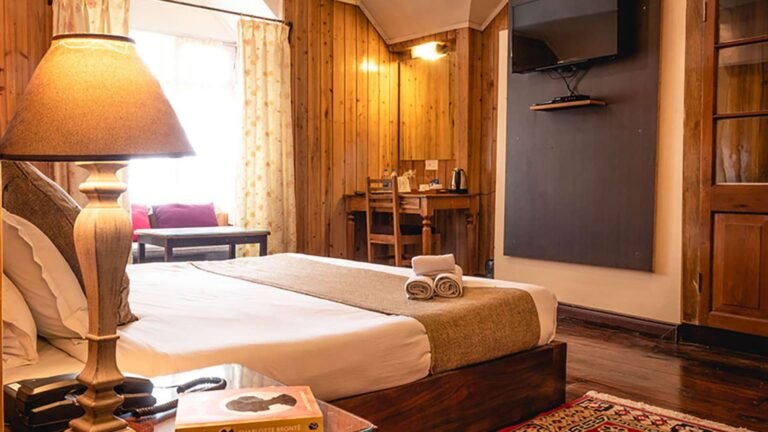
We run Hotel Villa Everest, a small heritage property about a kilometre from the Mall, and our family lives on site. All eleven rooms face the hills and six look straight at Kanchenjunga on a clear morning — which, if you are planning around the view, is worth knowing when you choose where to stay. We can also arrange the Tiger Hill taxi and the permit that goes with it.
One Comment
Comments are closed.